


Louise Grech (APD)
She/Her
Certified Practising Counsellor (CPC)
Accredited Practicing Dietitian (APD)
Credentialed Eating Disorder Clinician (CEDC)
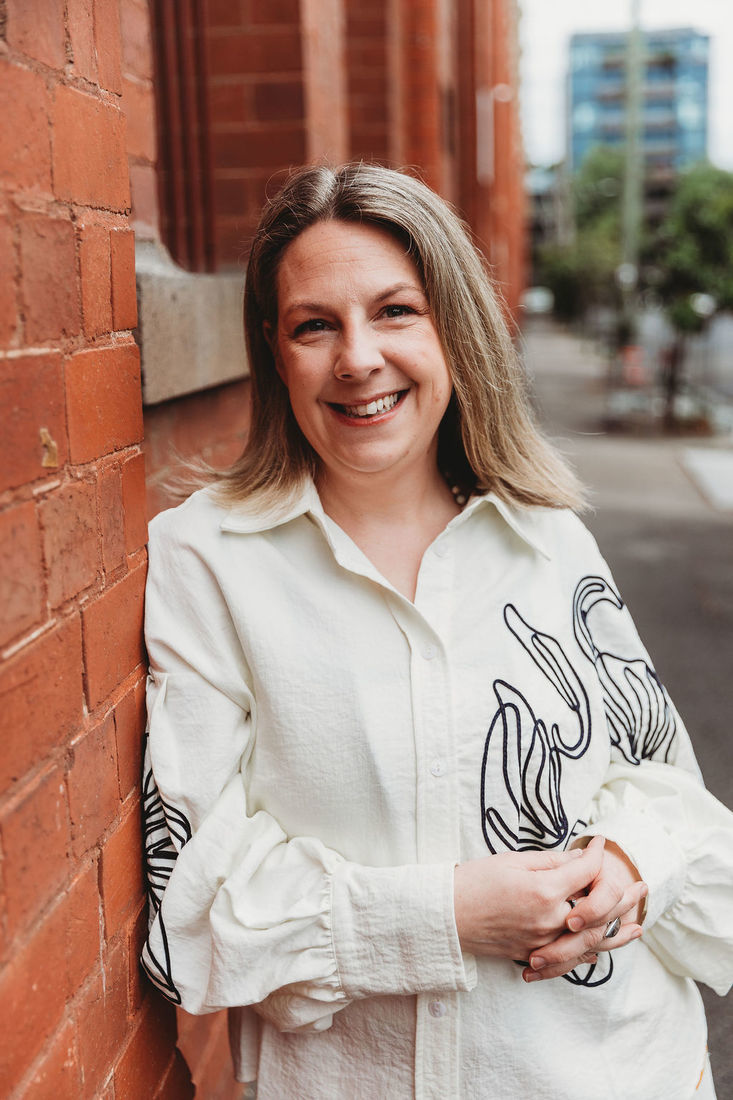 | Louise is a fat-affirming, size inclusive Dietitian, Credentialed Eating Disorder Clinician (CEDC), Certified Practicing Counsellor and Supervisor. With almost 20 years experience working as a dietitian Louise is now a dual registered dietitian and counsellor able to provide Dietitian informed counselling sessions. Whilst she will always be a dietitian at the core, her counselling sessions can unpack and explore the issues that contribute to food and body distress. She works with clients with long standing eating disorders, those who are in a big body and have experienced weight stigma, those who have been harmed from eating disorder treatment in the past, who identify as neurodivergent and want to understand their eating and body patterns through this lens. She is also passionate about supporting those in peri-menopause who are struggling with the immense changes occurring and feel overwhelmed with the Louise’s counselling is grounded in compassion, curiosity, courage and depth. She offers a nourishing space to land, feel seen and supported, and make sense of your patterns, not from a place of “fixing you”, but from a trauma-informed, harm- mininimisation and de-pathologising approach. Louise sits alongside her clients with empathy and nurturance and understands the impact trauma can have on their recovery pathway. She takes a person centred and de-pathologising approach, and highly values the therapeutic relationship as a conduit to progress. Louise acknowledges she benefits from the unearned privileges of her straight-size, skin colour, gender identity, able body, education, and class, and she is committed to her ongoing learning. Louise is an avid reader and book collector and is well known for her immense love of all things cats. You may also find her out and about in Melbourne drinking coffee, eating sweets and tap dancing. |
A Message from Lou
My therapy style is deeply embodied, somatic, and experiential. This means we can work not only through talking and thinking, but also through body-based awareness, emotions, parts work, symbols, and creative exploration where appropriate.
As a dietitian-counsellor, we can delve more deeply into how these have impacted your experience.
How is this different to other dietetic support for eating disorders?
Many dietitians (especially those trained in eating disorders) can hold supportive discussions around the things that impact a client’s relationship to food and body. However, as a dual-qualified counsellor and dietitian, I can expand the scope of
sessions beyond holding the space and explore what’s under the surface when needed. There is less rigidity when working with your body image/experience as it doesn’t have to be linked back to food and eating if it’s not appropriate to do so.
In other words: we’re not limited to the “tip of the iceberg”.
With your consent, we can explore why the pattern is there, what it is protecting, and what your system needs in order to shift safely.
What can I expect in sessions?
A supportive, trauma-informed space grounded in compassion and curiosity. Sessions may include psychoeducation, exploring patterns, and embodied and creative/experiential approaches.
Are you a dietitian or a counsellor?
I hold qualifications and registrations for both, allowing me to offer practical nutrition support as required alongside diving deeper into the emotional/psychological layers surrounding eating, nourishment and body concerns. At the start of working together, we’ll clarify whether your sessions are best approached as dietetic support, counselling support, or a blend of both, depending on your goals.
What does “expanded scope” actually mean?
It means we can integrate:
- Therapeutic exploration of underlying drivers
- Embodied and experiential techniques to support body healing
- Self-awareness work that connects behaviour to your inner world and body story
- Nutrition strategies and education when needed
This can create deeper insight and allow change to be more sustainable, because we’re working with the whole system, not just surface behaviours.
Who is this likely to suit?
We may be a good fit it you:
- Want a more compassionate and expansive approach to eating and body concerns
- Are ready for deeper self-understanding
- Prefer a therapeutic approach that includes body-based awareness
- Have already had extensive dietetic support and nutrition education in the past and are looking to move beyond this
Who may not be suitable?
This may not be the best fit if you:
- Are after specific nutrition information and intervention
- Want a prescriptive meal plan without deeper exploration
- Are currently in a situation requiring urgent, intensive mental health support (for example, crisis-level support)
- Need specialist psychiatric care or diagnostic assessment as the primary focus
- If I’m not the right fit, I will always support you to find the care that best matches your needs.
Medicare rebates
Mental Health Care Plans: Not available for counselling sessions, only available for psychologists.
Dietetic rebates: May be available via EDMP (Eating Disorder Management Plan) if eligible
How is this different to seeing another dietitian?
As well as nutrition support, I’m qualified to explore the deeper emotional and nervous system drivers behind eating patterns, allowing us to work with whatever comes up in session.
Are you a psychologist?
No. Psychologists can diagnose and treat mental health disorders and may offer Medicare rebates. My work is counselling-based, relational, and person-centred.
Do I need to see a psychologist as well?
Not always, but many people benefit from having both. My work can complement psychological support and deepen insights through an embodied, nourishment- focused lens.
| Qualifications: | Professional Memberships: |
|
|
| Areas of special interest: | Professional development: |
|
|
booking details:
Louise is currently not accepting new clients at this time.
If you are an existing client and would like to make a booking with Louise, you can contact reception on: (03) 9087 8379 or book online via: Louise's online booking link
| Availability: Louise is available for consultation:
| Please send all referrals to:Email: reception@eatlovelive.com.auFax: (03) 9445 9261 |
Frequently asked questions about Dietetic Counselling and Louise's services:
Are you a dietitian or a counsellor?
I hold qualifications and registrations for both, allowing me to offer practical nutrition support as required alongside diving deeper into the emotional/psychological layers surrounding eating, nourishment and body concerns. At the start of working together, we’ll clarify whether your sessions are best approached as dietetic support, counselling support, or a blend of both, depending on your needs and goals.
How is this different to dietetic support for eating disorders?
Many dietitians (especially those trained in eating disorders) can hold supportive discussions around the things that impact a client’s relationship to food and body. However, as a dual-qualified counsellor and dietitian, I can expand the scope of sessions beyond holding the space and explore what’s under the surface when needed. In other words: we’re not limited to the “tip of the iceberg”. With your consent, we can explore why the pattern is there, what it is protecting, and what your system needs in order to shift safely
What can I expect in sessions?
A supportive, trauma-informed space grounded in compassion and curiosity. Sessions may include psychoeducation, exploring patterns, and embodied and creative/experiential techniques to build more self-awareness. Whilst food and eating may form part of our work together, we may spend more time working through the factors that have impacted your eating. My therapy style is deeply empathic, attuning to both of our systems and what they contribute to the session. This means we can work not only through talking and thinking, but also through body-based awareness, emotions, parts work, symbols, and creative exploration where appropriate to let the body speak in a more accessible way.
What’s the difference between a Counsellor and a Psychologist?
Psychologists have extensive training in diagnosing and treating mental health disorders, and they can provide services under Medicare to receive rebates via a Mental Health Care Plan or the 40 psychology sessions with the Eating Disorders Management Plan. Counsellors are not able to receive rebates with Medicare as they don’t diagnose conditions, but rather provide a place for support and exploration.
As a counsellor and dietitian, my work focuses on support and enhancing self-awareness rather than diagnostic treatment and can include:
- Emotional and nervous system support
- Creating a landing space to have your experience held and witnessed
- Embodied and experiential therapeutic work
While there can be overlap, the roles are not the same.
Do I need to see both a psychologist and you?
Not always, but many people benefit from having both and I do recommend this where possible. As a dietitian-counsellor, I can fulfill the role of the dietitian within the team whilst also being trained and qualified to provide psychotherapy and
counselling.
Seeing both a psychologist and counsellor who can work alongside each other for psychotherapy can assist with repairing relational and attachment wounds via co- regulation and remodelling. The more support you are able to access can greatly
enhance your healing experience.
If you already have a psychologist, I take the role in the team as the dietitian who can complement the therapy work alongside the psychologist. I am able to spend more time working through complex body distress, allowing the psychologist to support other aspects of your mental health concerns.
My approach is particularly helpful for exploring your body story, your relationship with nourishment, and the deeper function of eating behaviours. If you’re also seeing a psychologist, what we uncover in our sessions together can be further supported
and unpacked with them.
A supportive team can be incredibly powerful.
As a dietitian-counsellor working alongside your psychologist I bring:
- 20 years of experience as a dietitian in the eating disorder space
- an integrated approach to food, body, and nervous system
- embodied and experiential therapeutic work that is grounded in nourishment to heal body distress
I still recommend that, where possible, a psychologist is part of your support team, especially if you’re working with complex mental health concerns or eating disorder recovery.
However, I can offer counselling support and help you feel steadier while you build the wider team around you whilst you’re:
- on a waitlist
- still searching for the right psychologist
- needing support in the meantime
Who is this likely to suit?We may be a good fit it you:
Want a more a more somatic and expansive approach to explore your body concerns
Are ready for deeper self-understanding
Have attempted cognitive based therapies in the past, and now are looking for therapy that is more creative and body-based
Have already had extensive dietetic support and nutrition education in the past and are looking to move beyond this
Who may not be suitable?
This may not be the best fit if you:
Are after specific nutrition information and intervention
Want a prescriptive meal plan without deeper exploration
Are currently in a situation requiring urgent, intensive mental health support (for example, crisis-level support)
Need specialist psychiatric care or diagnostic assessment as the primary focus
If I’m not the right fit, I will always support you to find the care that best matches your needs.
Fees and Rebates
Holding dual registrations requires two lots of supervision, professional development, insurance and registration fees, which is reflected in my fee being slightly higher than other dietitians. Rebates from Medicare are unfortunately the same, and they don’t
reflect the additional training and experience that a dietitian working in this space has achieved. Our association continues to advocate and lobby for dietitian rebates to be increased as part of the EDMP.
Mental Health Care Plans: Not available for counselling sessions, only available for psychologists. As a counsellor there are also no rebates under the 40 psychology sessions as part of a EDMP.
Dietetic rebates: May be available via EDMP (Eating Disorder Management Plan – maximum 20 per calendar year) or a TCA (Team
Care Arrangement – maximum 5 per calendar year) if eligible Private Health Insurance Extras: You may be able to claim rebates for dietetics, check with your provider for eligibility.
EAT LOVE LIVE POLICY
Please take the time to familiarise yourself with the Eat Love Live Practice policy. Booking an appointment with Eat Love live implies consent to the practice policies.
Inclusion and Diversity Policy
-
We require that all clients be linked in with regular medical support to ensure their ongoing medical safety.
-
We require clients to be engaged with or planning to engage with psychological support to ensure that we are providing safe, ethical and evidence-based support.
-
For all clients aged 15 or younger we request that the initial assessment be with the parents/ carer only.