
Our Bodies in the Room
Introductory webinar and focused supervision group
Have you ever been in session or supervision and thought that the issues showing up for your clients around body changes, body image and body distress are reflected in your own experience?
Just because we are the professional in the room, doesn't mean we have all the answers.
We are not just health practitioners, we are humans, and we exist in the same cultural soup as our clients. We have our own experiences in our body in this world that have shaped who we are and how we show up to this work.
People are often drawn to mental health and eating disorder work due to their own lived experiences and it hasn't always felt safe to share or explore our relationships with our body (and food) and how this has influenced our personal and professional selves.
We are offering that space to explore our own body stories and how this shows up in the room with our clients. The goals include better understanding of ourselves to improve the services we provide clients and their outcome.
Because after all, we are human too.
What is on offer?
Webinar-Our bodies in the Room
This 2 hour live webinar ( recorded for registrants) invites clinicians to look inward—without losing sight of the work in the room.
Drawing on key literature and lived clinical realities, we’ll explore how the identities and social positioning of dietitians and eating-disorder practitioners subtly (and sometimes powerfully) shape therapeutic dynamics. You’ll gain language for understanding how your own body, presence, and lived experience inevitably show up in sessions—and how this visibility can deepen trust, compliment engagement, or both.
We’ll also tackle the harder, often unspoken parts of practice: unexamined attitudes, discomfort, and transference. Through reflection and practical strategies, you’ll learn how these internal processes can impact clinical decision-making, client safety, and the therapeutic relationship—and how to address them with integrity rather than avoidance.
By the end of this webinar, you’ll feel more equipped to:
-
Navigate power, identity, and embodiment in eating-disorder work
-
Engage clients more thoughtfully by understanding what you bring into the room
-
Initiate difficult conversations with confidence and care
-
Sustain self-reflection as a core clinical skill, not an afterthought
This is not about being the “perfect” clinician—it’s about being a more aware, ethical, and effective one.
Presented by:
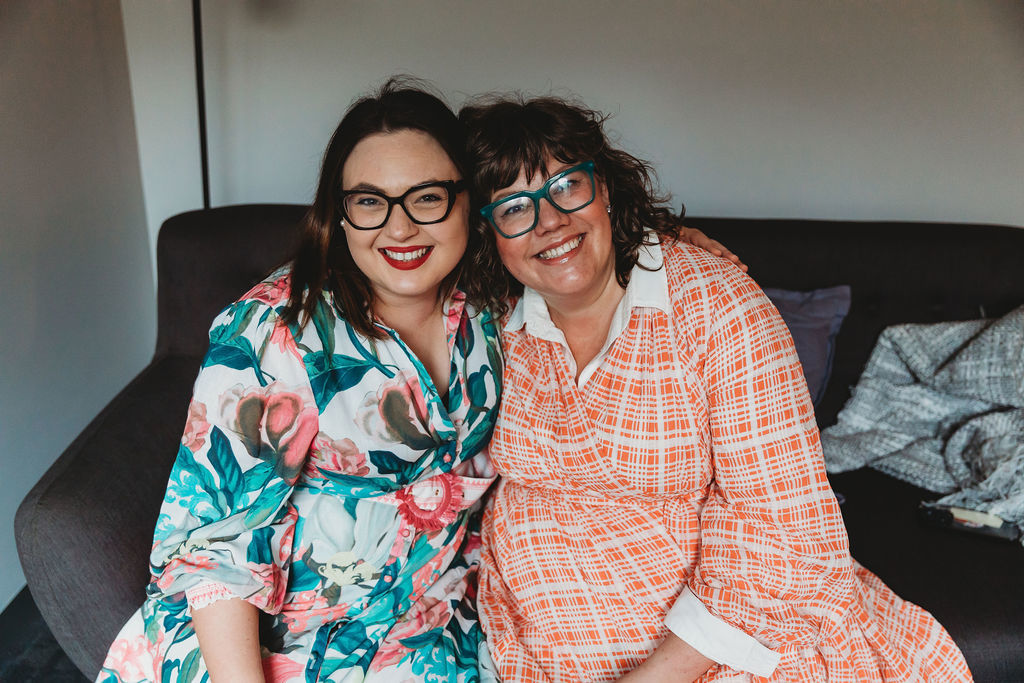
Dr Christie Bennett and Josephine Money
Date
Monday 30 March 2026 7:00 PM - 9:00 PM AESTLocation
Online - Zoom link will be forwarded after purchase
COST
$99 AUD