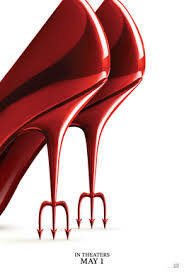
I want to start this by saying, I went to see the movie with a group of girlfriends. It was so nice to
have an evening out, relax and be distracted by the tones of familiar voices and story lines. When we
walked out we were discussing how the movie landed with us. Each of us saying ‘it was a nice
movie’, clarifying that it wasn’t ‘groundbreaking but a good excuse for an evening out’. I also want to
say that what I am about to critique about the movie does not detract from that, nor does it issue
judgement to those that go see the movie. In a world of discomfort and uncertainty, the urge to find
solace in something familiar makes a lot of sense. I am sure that is what my friends and I were also
doing also.
As I was driving home there was a discomfort I couldn’t shift. The movie was released this week
(2026) as a sequel to the original movie that was released in 2006. So, that is 20 years of body
positivity movement, inclusivity work and representation that has occurred in the film and the
fashion industry portrayed. However, evidently was an update that was missing from the writer’s
room of Devil Wears Prada 2. Tropes about dieting, unchecked thin privilege and all white main cast
seem stuck in 2006.
In one of the first group meetings we see Miranda in, she outlines that she doesn’t understand body
positivity (misnaming it body negativity) and then proceeds to make a gesture of which is a mix of
disgust and gluttony, suggesting that those with a body of a larger size are less worthy than the
smaller girls seen on the runways. Her assistant then tries to call her out on it, which is dismissed,
which is a gag about Mirandas rigidity and power. It was portrayed as a superficial joke about
Mirandas relevancy and old-school thought process. However, if we unpack this further, I see two
layers to this gag that make me uncomfortable. Firstly, there is the valuation of body size and the
overt gestures that ensure the audience understand that fat is still ‘bad’. Secondly, this is a woman
in her 70’s, with visibly grey hair, depicting a scene that infers she is out of touch and becoming
irrelevant. This storyline is then furthered through the film. This is a trope that many women
struggle with each day in the workplace. As a film that is pitched to women, I would have thought
that we could have left out the trauma of the inevitable process of aging making you a target for
replacement in the workplace.
The next hit came when they are discussing someone’s ‘glow up’. This person is a male character
who is introduced to us as through pictures of this person in a larger body that seems unbothered by
his looks. Skip to when we meet this character after the ‘glow up’ has occurred, when the name
brand ‘Ozempic’ is mentioned and credited to his improved social status. It is further joked about
that another minor character was having so much of this drug he could barely keep anything down
due to the projectile vomiting. Now, I understand that potentially a film which is a depiction of the
fashion industry without mention of said drugs would probably be difficult in 2026. However, I feel
this is a missed opportunity to engage some thoughtfulness about the role of thin-privilege and
drugs like Ozempic in our society.
At the end of the film Andy and Emily meet at a restaurant. The sentence ‘Don’t carb shame me.
Carbs shared with friends have no calories’ hit me in the chest. It reminded me that carbohydrates
are still considered evil and that energy tracking is alive and well. For someone with a mind like
mine, this is a dangerous precedent to be setting. I would have thought that there could have been
more progressive and critical approach to women and food, than what was presented in Vogue in
1960s, but here we are.
The diversity of representation also seemed somewhat out of a 1960s playbook. White skinny
women were the lead characters. Anyone that was of bodily or ethnic diversity was relegated to the
second and third tier. There were two characters that had bodies that were not a size 0. These
characters didn’t have their own story but were there in service of the main character. I don’t know
if this was a conscious decision, but it felt like they were relegated to the backseats of the story line.
I want to admit, that seeing this film I was not expecting a woke critique of the patriarchal power
structures that enable the fashion industry to perpetuate the privilege and harm it creates. Would I
have loved that? Absolutely. But I recognise, that this wasn’t that. What I was expecting though was
some consideration to diversity and representation of fashion on all body types. What a missed
opportunity to showcase some of the amazing models, designers and work that has been tirelessly
fought for by advocates and lived experience over the last 20 years.